The Gironde, Blaye and the Médoc
Where the rivers meet and the great châteaux begin.
Get Free Bordeaux Cruise QuotesNorth of Bordeaux, the Garonne and Dordogne merge into the Gironde, a broad tidal estuary that runs out to the Atlantic. Its banks hold a fortress, a famous wine road and some of the best-known names in wine.
Blaye and Its Citadel
On the right bank, Blaye is dominated by a citadel built to the plans of Vauban, Louis XIV’s military engineer. Together with Fort Pâté on an island in the estuary and Fort Médoc on the far bank, it formed a defensive lock across the Gironde, and the three are part of the UNESCO-listed Fortifications of Vauban. Ships moor close by, and the walk up into the citadel is short. Some lines offer a longer excursion from here to the town of Cognac.
Pauillac and the Médoc
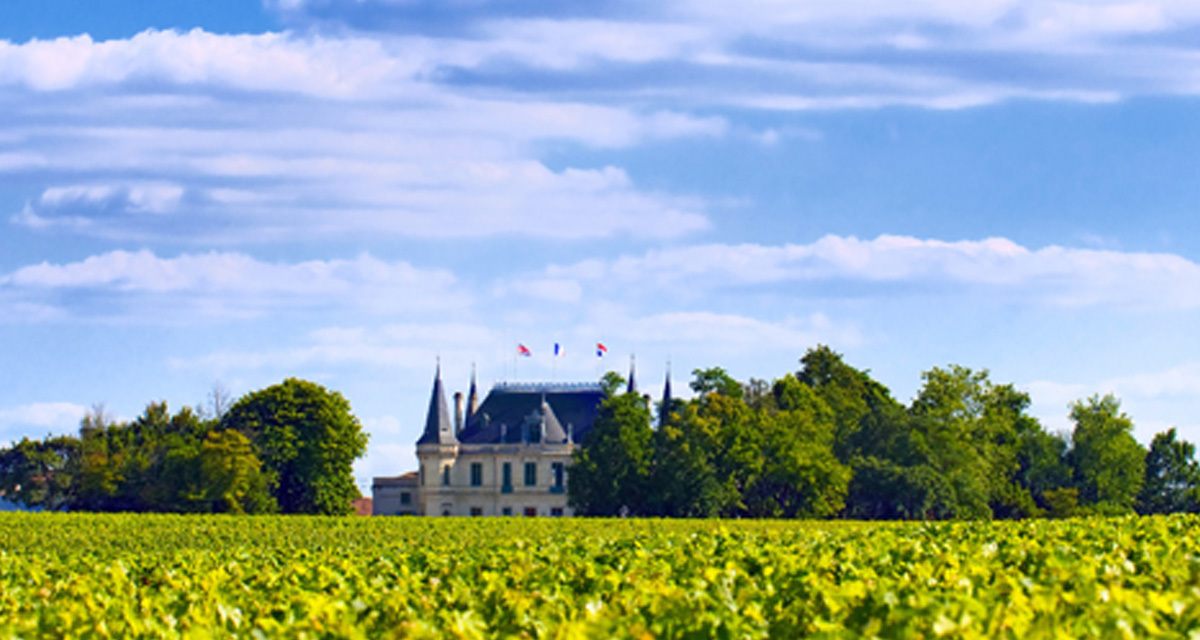
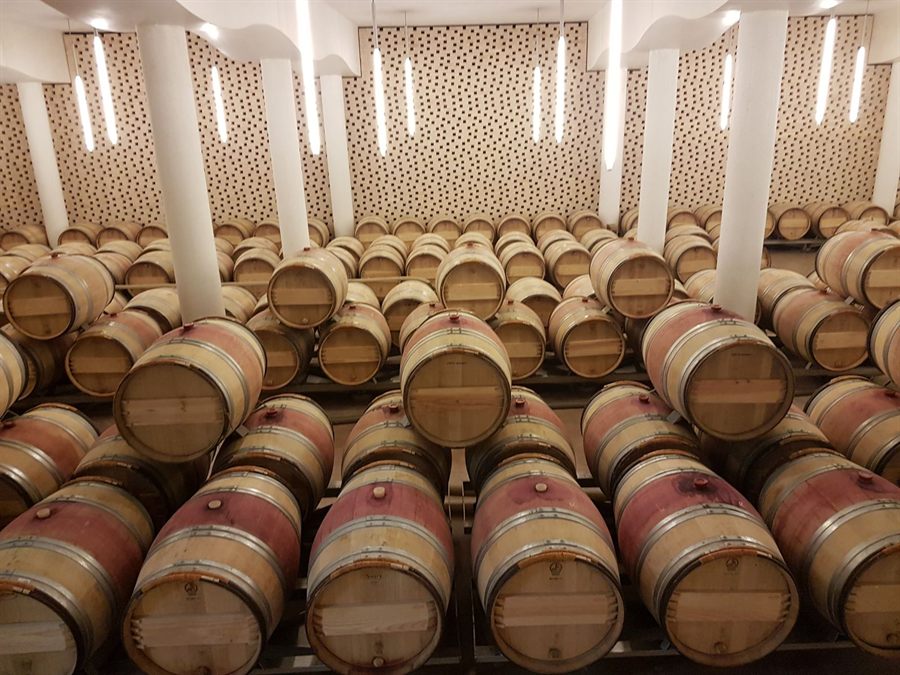
Across the estuary, Pauillac is the heart of the Médoc. Three of the five first-growth châteaux of the 1855 classification — Lafite Rothschild, Latour and Mouton Rothschild — are in Pauillac, and Margaux, Saint-Julien and Saint-Estèphe are nearby along the wine road. Excursions visit estates, a cooperage where barrels are made, or a tasting class.
Sailing the Estuary
- The Gironde is wide and tidal, so crossings are timed with the tide and can feel more like a lake than a river.
- The water is brown with silt carried down by the rivers; this is natural, not pollution.
- Wind can make the sun deck chilly; bring a light jacket even in summer.
- Most estuary days are short sailings followed by an afternoon or full day ashore.
For shore tours in Bordeaux and other European ports, browse Europe Port Excursions. Before you travel, our Cruising Checklist helps you pack and organize documents.
Understanding the 1855 Classification
Much of the Médoc’s fame rests on a ranking drawn up for the Paris Universal Exhibition of 1855, which sorted the leading red-wine estates of the Médoc (plus one from the Graves) into five growths. It has barely changed since; the best-known revision promoted Mouton Rothschild to first growth in 1973. On a Pauillac excursion you will hear these names often, but many lines visit smaller family estates too, where the welcome is more personal and the tasting more relaxed. For more on wine-led river travel, see Wine River Cruises.
Cognac and Other Long-Day Options
From Blaye, some lines offer a full-day excursion to the town of Cognac, home of the brandy houses, with a cellar visit and tasting. Others use the estuary days for a trip toward the Atlantic coast. These excursions involve more time on a coach than the usual short transfers, so weigh them against a relaxed day in Blaye or Pauillac. If a particular excursion matters to you, ask us to confirm it is offered on your sailing, since options change from season to season.
See Blaye, Pauillac and the Médoc
Our cruise advisors at Mister Cruise will compare the estuary days on each line and send free quotes.
Get Free Quotes